Store and/or access information on a device. Use limited data to select advertising. Create profiles for personalised advertising. Use profiles to select personalised advertising. https://milwaukeesearchengineoptimization.com/ Create profiles to personalise content. Use profiles to select personalised content. Measure advertising performance. Measure content performance. Understand audiences through statistics or combinations of data from different sources. Develop and improve services. Use limited data to select content. List of Partners (vendors)
Cryptocurrency investors who use the instant buy feature will incur a charge for the service. The fee will vary depending on the funding method, market conditions, order size, and asset type. When ready to execute the trade, investors will find the fee included in the pricing.
Our team reviewed 28 cryptocurrency exchanges and collected over 1000 data points before selecting our top choices. The top picks were selected based on more than 20 weighted criteria, including trading fees (weighted 20%), withdrawal fees (15%), and whether an exchange offers cold storage of crypto assets (weighted 10%). For further information about our selection criteria and process, our complete methodology is available.
If crunching numbers and evaluating trends in crypto is enticing, being a data scientist may be a good path for you. To become a data scientist, you’ll need at least a bachelor’s degree in IT, computer science, mathematics, business, or another closely related field.
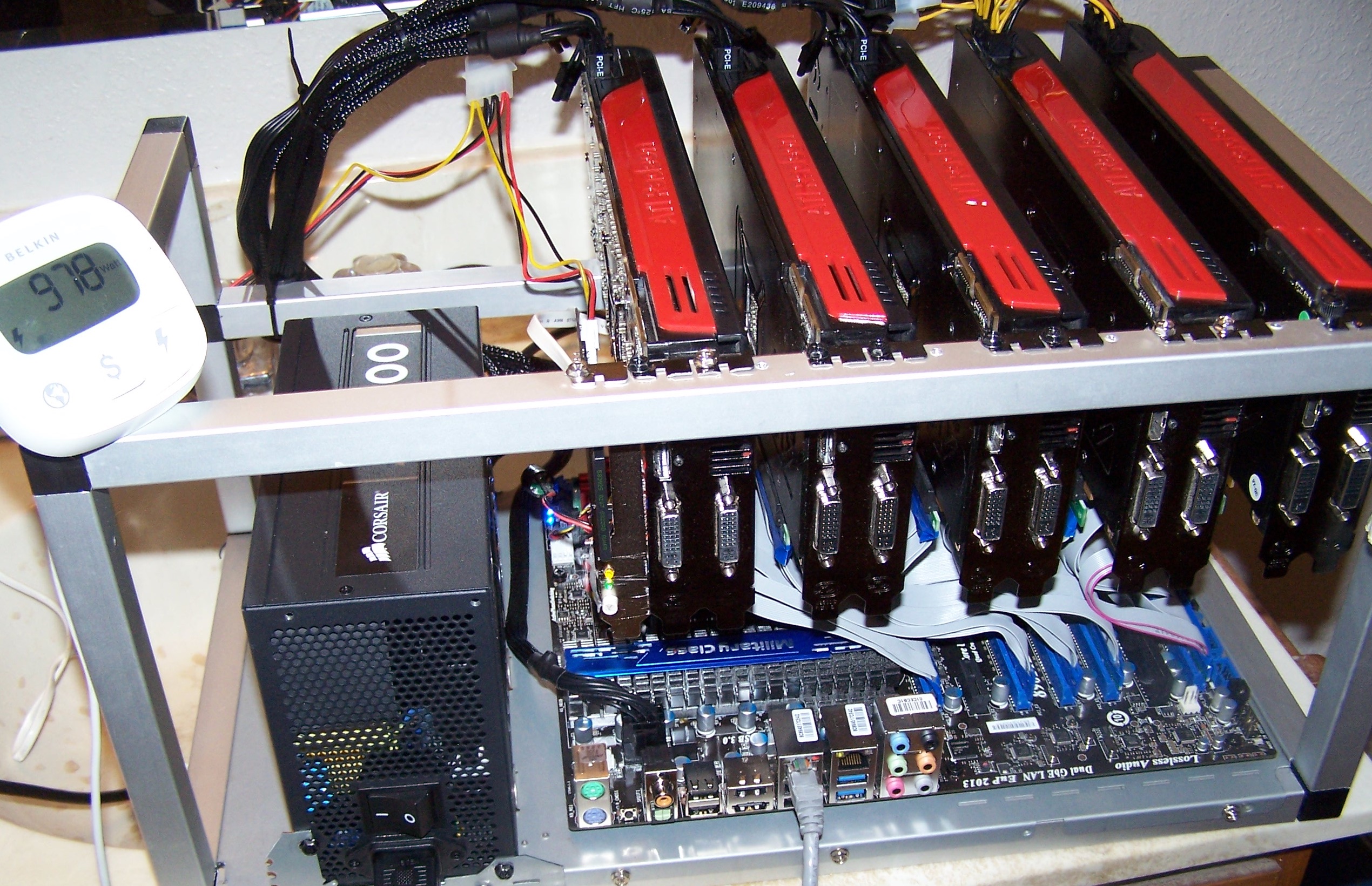
The efficiency of the mining hardware is also a crucial factor in determining the profitability of mining. Mining hardware can be expensive, so miners must balance the cost of the hardware with the potential rewards it can generate. Another factor to consider is the cost of electricity; if it’s too high, it could outweigh earnings and make mining unprofitable.
Interestingly enough, though, not all cryptocurrencies are mined. Rather than use proof of work, some currencies—like Cardano and Ripple—use something called “proof of stake.” They still operate on blockchain for reasons of security, but instead of mining new blocks you “stake ” them instead, claiming them for yourself ahead of time.
Bitcoin mining refers to the process where a global network of computers running the Bitcoin code work to ensure that transactions are legitimate and added correctly to the cryptocurrency’s blockchain. Mining is also how new Bitcoin is entered into circulation.
The Bitcoin network mining rate fluctuates, but it averaged around 622 exa-hashes per second in August, 2024—that’s 622 followed by 18 zeros. If it takes roughly 10 minutes for a block to be mined, that’s about 3.75 x 10²³ hashes to open a new block.
The current generation of these dedicated Bitcoin mining rigs generate possible answers to the Bitcoin block equations at around 100 trillion hashes per second, says Rob Chang, CEO of Gryphon Digital Mining, a privately held Bitcoin miner.
The primary aim of financial regulation is to support financial stability, transparency, protection for consumers and investors and a level playing field for different market participants. Future regulation should support the criteria outlined in this paper and summarized in the table below:
As we continue to innovate and redesign new frameworks that address systemic deficiencies, crypto is crucial for ushering in the next phase of the internet of value for more financial freedom with less risk.
Regulation has long been a hot topic in crypto. However, President Biden’s recent Executive Order calling for the responsible development and regulation of digital assets, specifically refers to exploratory efforts to investigate the environmental benefits of distributed technologies. This landmark Executive Order shows that governments are beginning to recognize that the debate around cryptocurrency and the environment should not focus just on energy consumption, but on positive projects like KlimaDAO that are bringing much needed transparency and liquidity to carbon markets.
So if we acknowledge that traditional finance and mining account for a significantly larger share of greenhouse gas emissions than crypto, the question we should be asking ourselves is how crypto and blockchain can actually lead the way and become a positive, transformative force for the energy sector, slashing operating costs and opening up a new window of transparency.
This inflexion point for crypto comes as our broader economic systems face headwinds and uncertainty. The crypto industry and financial sector, more broadly, must use this opportunity to take stock of our values and ensure we are advocating for a better, safer financial ecosystem without limiting innovation.


